

Gone are the days when only large corporations talked about “the cloud.” Today, cloud migration is reshaping how small and medium-sized businesses (SMEs) operate—delivering powerful improvements in efficiency, scalability, and growth.
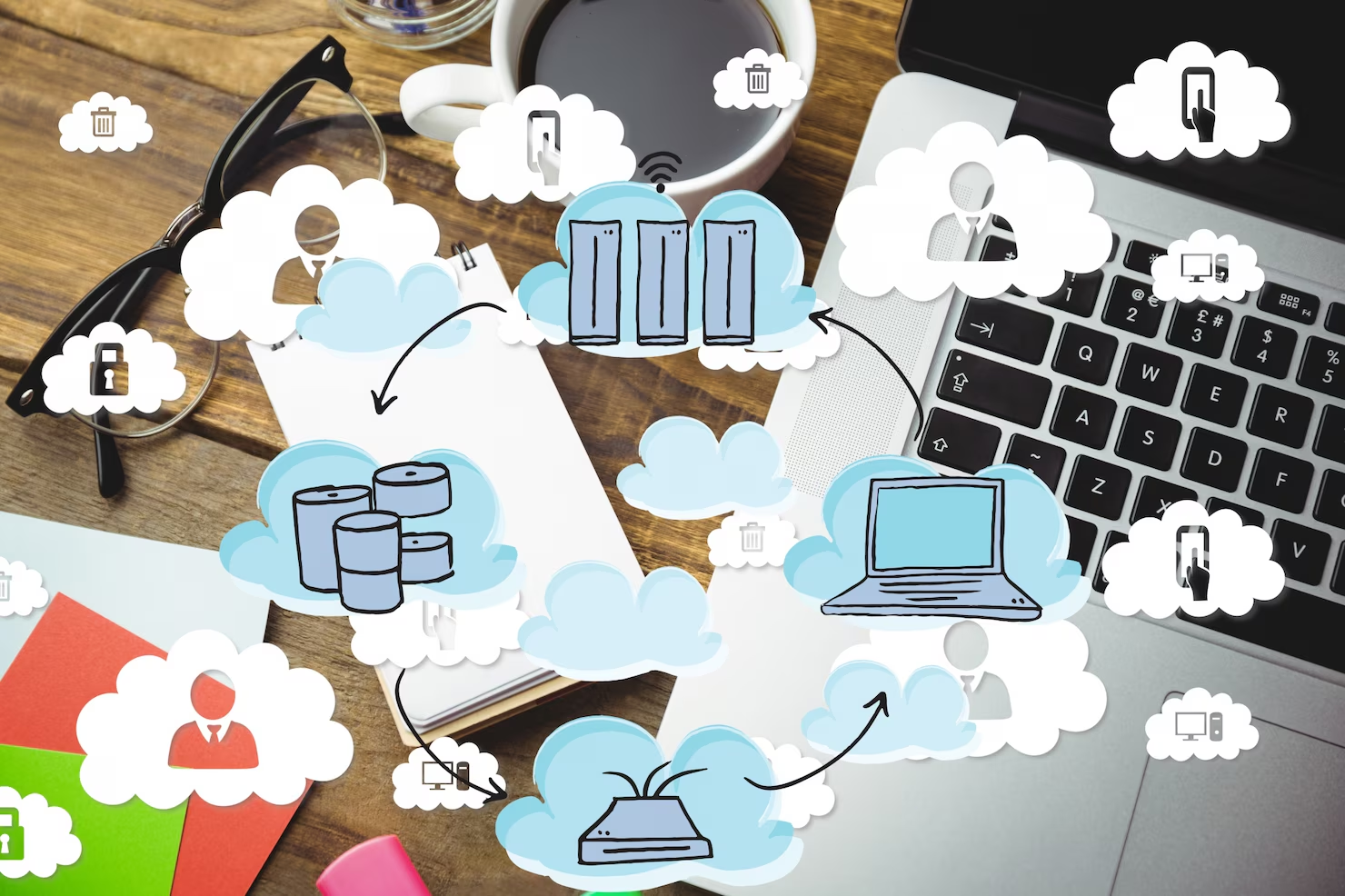
Cloud migration means moving your data, applications, and IT infrastructure to remote servers managed by providers like Amazon Web Services, Microsoft Azure, or Google Cloud. But it’s more than just outsourcing hardware—it’s a strategic move that enables innovation and flexibility.
Let’s explore how cloud migration can transform your business.
1. Cost Savings and Flexibility
One of the biggest advantages of cloud computing is its pay-as-you-go pricing model.
Instead of investing heavily in physical servers, businesses can:
- Pay only for the resources they use
- Scale services up or down as needed
- Reduce IT maintenance and hardware costs
Cloud providers also handle updates and system maintenance, helping businesses save both time and money.
2. Enhanced Collaboration and Remote Work
Cloud platforms enable teams to work from anywhere, making remote and hybrid work seamless.
Benefits include:
- Real-time collaboration on documents
- Easy access to files from any location
- Improved communication across teams
Tools like cloud-based storage and collaboration platforms eliminate version control issues and keep everyone aligned.
3. Reliability and Business Continuity
Cloud providers offer advanced backup and disaster recovery systems.
This means:
- Data is stored across multiple locations
- Systems remain operational even during outages
- Faster recovery in case of failure
4. Scalability for Business Growth
Cloud infrastructure is built to grow with your business.
With cloud computing, you can:
- Handle sudden traffic spikes
- Expand services without delays
- Scale resources instantly
Unlike traditional systems, the cloud ensures your business is always ready for growth opportunities without over-investing.
5. Access to Advanced Technologies
Cloud platforms give SMEs access to cutting-edge tools without heavy investment.
These include:
- Artificial Intelligence (AI)
- Data analytics and reporting
- Internet of Things (IoT) solutions
- Advanced security systems
Addressing Security Concerns
Security is often a concern when moving to the cloud, but modern cloud providers invest heavily in protection.
They offer:
- Data encryption
- Advanced monitoring systems
- Compliance with global standards
In fact, many business leaders now believe cloud systems are more secure than traditional infrastructure.
However, businesses should also follow best practices like:
- Strong passwords
- Access control management
- Regular security audits
Final Thoughts
Cloud migration is not just an IT upgrade—it’s a business transformation strategy.
By moving to the cloud, SMEs can:
- Reduce operational costs
- Enable remote work
- Improve reliability
- Scale efficiently
- Access advanced technologies
The cloud empowers businesses to work smarter, innovate faster, and grow without limitations.
If you’re looking to future-proof your business, cloud migration is one of the smartest decisions you can make.